Your Subaru Forester's engine is built to last, but only if you give it the right oil. Using the wrong viscosity grade can lead to poor lubrication, increased wear, and even engine damage over time. That's why knowing the correct oil viscosity for your specific Forester model year isn't just a detail it's something every owner should have written down or bookmarked. This article breaks down the recommended oil viscosity chart so you can make the right choice every time you open that hood.
What Does Oil Viscosity Actually Mean?
Oil viscosity measures how thick or thin the oil is at different temperatures. You'll see it written as something like 0W-20 or 5W-30. The number before the "W" tells you how the oil performs in cold weather, and the number after tells you how it performs at normal engine operating temperatures. A lower first number means the oil flows better when cold, which helps with cold starts. A lower second number means thinner oil at high heat.
For Forester owners, this matters because Subaru designs its boxer engines with tight tolerances. The oil needs to coat every surface quickly on a cold morning and still protect under load on a highway climb. Picking the wrong viscosity means you're asking the oil to do something it wasn't designed for.
Which Oil Viscosity Does Subaru Recommend for the Forester?
Subaru has been fairly consistent with its recommendations across Forester generations, but there are differences worth noting:
- 2019–2025 Forester (2.5L engine): 0W-20 full synthetic
- 2014–2018 Forester (2.5L engine): 0W-20 full synthetic
- 2014–2018 Forester (2.0L turbo): 5W-30 full synthetic
- 2009–2013 Forester (2.5L non-turbo): 0W-20 or 5W-30
- 2009–2013 Forester (2.5L turbo): 5W-30
- 2003–2008 Forester (2.5L non-turbo): 5W-30
- 2003–2008 Forester (2.5L turbo): 5W-30
Most modern Foresters use 0W-20 synthetic oil. Older turbocharged models need 5W-30. Always double-check your owner's manual or the engine oil type and capacity specifications for your exact model year before buying.
Why Did Subaru Switch Most Foresters to 0W-20?
Subaru moved to 0W-20 for the naturally aspirated 2.5L engine primarily to improve fuel economy. Thinner oil creates less drag inside the engine, which translates to small but consistent fuel savings. The engine design also changed tighter clearances in newer engines mean thinner oil actually protects better than thicker oil would. Thicker isn't always better, and that's a common misunderstanding among car owners.
Can I Use a Different Viscosity Than What Subaru Recommends?
Subaru's recommendation in your owner's manual is not a suggestion it's a specification. Using 5W-30 in an engine designed for 0W-20 can reduce fuel efficiency and increase internal drag. Using 0W-20 in an older turbo engine that calls for 5W-30 might not provide enough protection at high temperatures.
That said, in extreme climates, some owners wonder if they should adjust. In very hot regions (consistently above 100°F / 38°C), the recommended viscosity still applies because it was tested across temperature ranges. Subaru accounts for this in its engineering. You don't need to "thicken up" the oil for summer unless your manual specifically allows an alternative.
What Happens If I Use the Wrong Oil Viscosity?
A one-time mistake probably won't destroy your engine, but running the wrong viscosity long-term causes real problems:
- Too thick: Slower oil flow on cold starts, reduced fuel economy, more engine wear during warm-up
- Too thin: Potential oil film breakdown under heavy load or high heat, increased metal-on-metal contact
- Turbo engines are especially sensitive: The turbocharger spins at extremely high RPMs and relies on proper oil flow for cooling and lubrication
If you realize you've put the wrong viscosity in, it's best to do an oil change sooner rather than later. The cost of fresh oil is nothing compared to engine repair bills.
How Do I Read the Oil Viscosity Chart Correctly?
The chart is straightforward once you know what to look for. Here's a quick way to use it:
- Find your model year range in the left column.
- Identify your engine type is it the 2.5L naturally aspirated or the 2.0L/2.5L turbo?
- Match the viscosity grade listed for your combination.
- Note the oil type Subaru requires full synthetic for most modern Foresters, not conventional or synthetic blend.
If you need exact fill amounts along with the viscosity, check the full Forester oil capacity specifications for your model. Knowing the right amount prevents overfilling, which can cause its own set of problems like foaming and seal damage.
Common Mistakes Forester Owners Make with Oil
After working on these engines and talking with many Forester owners, here are the most frequent errors:
- Ignoring the turbo vs. non-turbo difference: The turbocharged XT models need different oil than the standard 2.5i. Owners sometimes forget this, especially when buying used.
- Switching between viscosity grades every oil change: Pick the correct one and stay consistent. Mixing grades over time doesn't help anything.
- Using conventional oil in engines that require full synthetic: Subaru specifies synthetic for a reason. The boxer engine's horizontal layout means oil drains differently than in a V-engine, and synthetic handles this better.
- Not checking the oil level between changes: Some Subaru engines are known to consume a small amount of oil between service intervals. Checking the dipstick every 1,000 miles is a good habit.
- Trusting the quick lube shop without verifying: Always confirm the oil type and viscosity being used. Mistakes happen, especially with less common engine configurations like a flat-four.
Does the Brand of Oil Matter as Much as the Viscosity?
Viscosity is the first thing to get right. Once that's covered, brand choice matters less than you might think. Any oil that meets the API SN Plus or SP specification and the correct viscosity will protect your engine well. Popular choices among Forester owners include Mobil 1, Pennzoil Platinum, Castrol Edge, and Idemitsu (which is the factory-fill supplier for many Subaru engines). The most important thing is that the bottle says 0W-20 or 5W-30 whichever your engine requires and that it's full synthetic.
Typography and design might seem unrelated to oil, but if you're creating your own maintenance log or printable service chart, choosing a clean typeface like Open Sans makes the information easier to read at a glance in your garage.
Where Can I Find More Details About My Forester's Oil Specs?
Your owner's manual is the primary source. The oil viscosity is usually listed in the specifications section and sometimes on the inside of the oil filler cap. If you've lost your manual, Subaru's official website lets you download a digital copy for your specific year and trim. You can also review our detailed breakdown of the Forester oil viscosity chart with capacity specs for quick reference.
Quick Reference Checklist Before Your Next Oil Change
- Confirm your exact model year and engine type (turbo or non-turbo)
- Look up the correct viscosity: 0W-20 for most newer non-turbo Foresters, 5W-30 for turbo and older models
- Choose full synthetic oil that meets API SP or SN Plus standards
- Check the oil capacity so you buy the right number of quarts (typically between 4.4 and 5.1 quarts with filter)
- Use a new drain plug washer each time to prevent leaks
- After filling, run the engine for a minute, shut it off, wait 5 minutes, then check the dipstick
- Record the date, mileage, oil type, and viscosity in your maintenance log
Getting the oil right is one of the simplest things you can do to keep your Forester running strong for 200,000 miles or more. It takes five minutes of research and saves thousands in potential repairs.
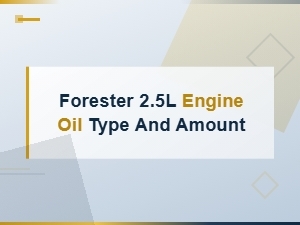 Forester 2.5l Engine Oil Type and Amount
 Subaru Forester Oil Capacity Specifications by Engine and Model Year
 Subaru Forester Oil Change Service Intervals and Capacity Specs
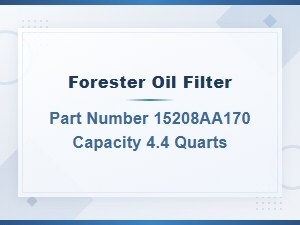 Forester Oil Filter Specifications and Capacity
 Best Synthetic Oil for 2005 Subaru Forester: Recommended Viscosity Guide
 Subaru Forester Xt Oil Capacity and Recommended Oil Type